Get Sagebrush Removal in Denver, CO
Sagebrush removal services for Denver-area property owners address overgrown brush, clear land for development or recreation, and manage wildfire risks through expert cleanup projects.
Property owners in Denver, CO, considering land clearing or landscaping projects often encounter the challenge of managing unwanted sagebrush growth. Removing sagebrush can improve the appearance of a property, create space for new landscaping, or prepare the land for future development. Exploring options for sagebrush removal helps ensure the work aligns with local conditions and regulations, making it easier to plan a successful project.
For those seeking reliable solutions, a variety of local contractors specialize in sagebrush removal services tailored to the needs of Denver-area properties. Comparing different service providers can help identify experienced professionals equipped to handle the specific demands of the region. Continuing to explore available options ensures property owners can find the right expertise to support their land management goals.
- Sagebrush Removal - needed when invasive sagebrush encroaches on residential or commercial properties in neighborhoods around Denver, CO.
- Overgrown Sagebrush Clearing - required to restore visibility and access in rural areas near Boulder, CO.
- Wildfire Prevention Sagebrush Clearing - essential for properties in dry, brush-prone regions of Colorado to reduce fire risk.
- Land Clearing for Development - necessary when preparing plots of land in suburban areas of Colorado Springs for new construction.
- Environmental Restoration Projects - performed to remove sagebrush in areas undergoing habitat restoration or land rehabilitation efforts.
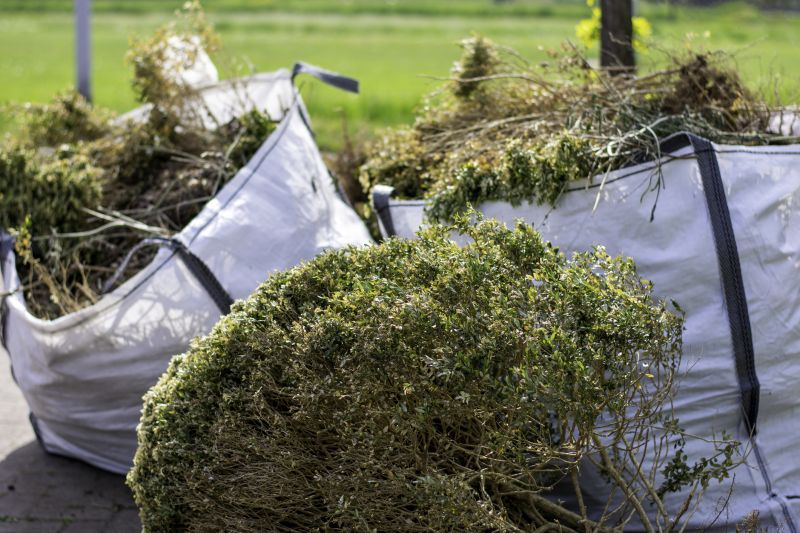
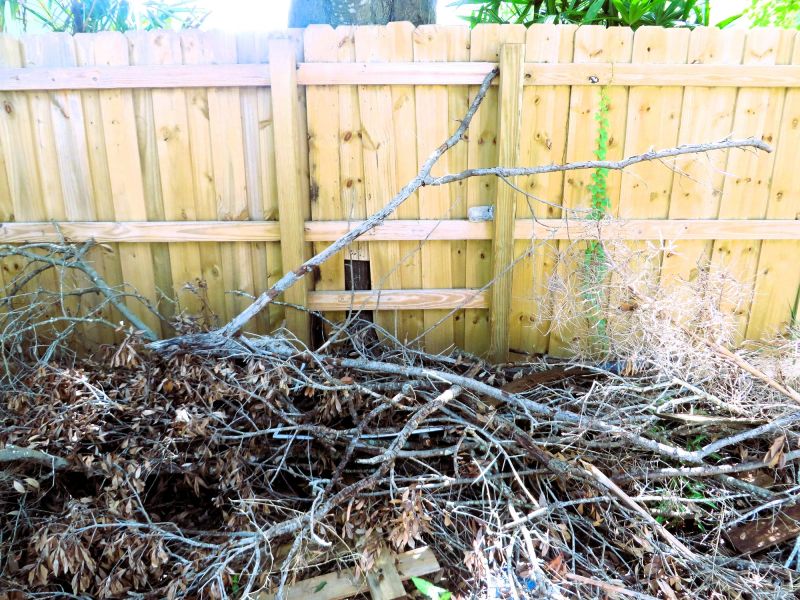
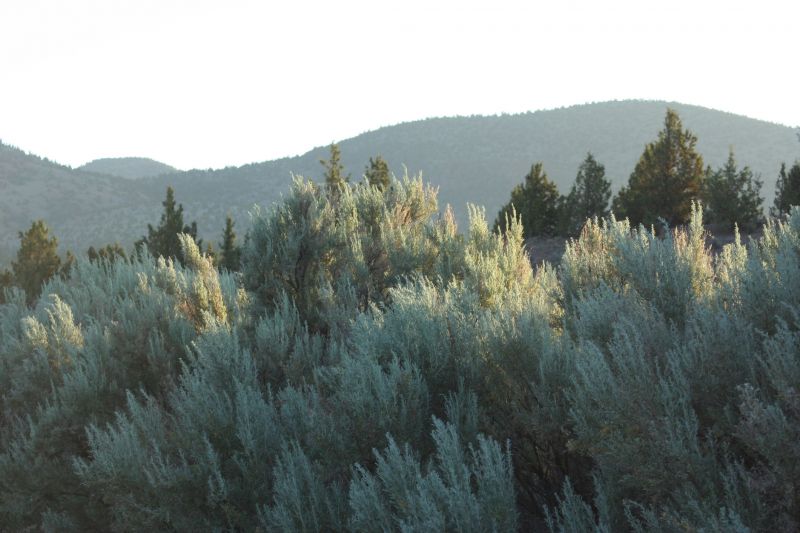
Sagebrush removal services involve the careful clearing and eradication of sagebrush and similar shrubbery from residential or commercial properties. This process typically includes the use of specialized tools and techniques to safely remove dense patches of sagebrush, which can quickly overtake an area if not managed properly. The goal is to create a cleaner, more manageable landscape that can be used for other purposes, such as gardening, lawn expansion, or property development. Professionals focus on removing the plants efficiently while minimizing disturbance to the surrounding environment, ensuring the property’s appearance and usability are improved.
Many property owners seek sagebrush removal to address specific problems caused by overgrowth. Dense sagebrush can obstruct views, limit sunlight reaching other plants, and create uneven or unappealing landscapes. In some cases, the thick shrubbery can also pose fire hazards, especially in drier months. Removing sagebrush can improve the safety and aesthetics of a property, making outdoor spaces more accessible and visually appealing. Additionally, clearing sagebrush can prepare the land for new landscaping, gardening projects, or construction, helping property owners better utilize their outdoor areas.
Sagebrush removal services are often used on properties that have experienced neglect or natural overgrowth, such as vacant lots, ranches, or rural homes. These services are also common among homeowners who want to restore or improve their yards and gardens. Commercial properties, parks, and public spaces may also require sagebrush removal to maintain safety standards and enhance visual appeal. Typically, properties in areas prone to wildfires or those with extensive shrubbery growth benefit from professional removal to ensure the land remains safe and manageable. These services are suitable for anyone looking to regain control over overgrown landscapes and improve the overall condition of their property.
Engaging with local contractors for sagebrush removal ensures that the work is handled efficiently and effectively. These service providers are equipped to assess the specific needs of each property and recommend appropriate removal methods. Whether dealing with small patches or large areas of dense shrubbery, property owners can find experienced professionals who understand how to clear sagebrush safely and thoroughly. This service is particularly useful for those aiming to prevent fire risks, improve land usability, or simply achieve a cleaner, more organized outdoor space. Contacting local experts can help property owners determine the best approach to maintain a healthy, attractive landscape.
The overview below groups typical Sagebrush Removal projects into broad ranges so you can see how smaller, mid-sized, and larger jobs often compare in Denver, CO.
In many markets, a large share of routine jobs stays in the lower and middle ranges, while only a smaller percentage of projects moves into the highest bands when the work is more complex or site conditions are harder than average.
Smaller Brush Removal - Typical costs for small-scale sagebrush removal projects in Denver and nearby areas range from $250 to $600. Many routine jobs involving a few hundred square feet fall within this range, depending on site conditions and accessibility.
Medium-Sized Projects - For larger areas or moderate sagebrush infestations, local contractors often charge between $600 and $1,500. These projects are common for property maintenance and land clearing efforts in the region.
Large-Scale Land Clearing - Extensive sagebrush removal covering several acres can cost from $1,500 to $5,000 or more. Larger, more complex projects, such as preparing land for development, tend to push into the higher end of this range.
Full Site Remediation - Complete removal and site restoration for large properties can exceed $5,000, especially if additional site work or disposal is required. Fewer projects reach this level, but they are typical for significant land clearing or redevelopment efforts.
Actual totals will depend on details like access to the work area, the scope of the project, and the materials selected, so use these as general starting points rather than exact figures.
Brush Clearing Projects - Local contractors often handle brush clearing tasks that require similar tools and planning as sagebrush removal to prepare land for development or agriculture.
Invasive Plant Removal - Experts in invasive plant removal use comparable techniques and equipment to eliminate unwanted vegetation, including sagebrush, to restore native landscapes.
Wildfire Mitigation Landscaping - These projects involve removing combustible vegetation like sagebrush to reduce fire risk, utilizing similar planning and clearing methods.
Landscaping and Site Preparation - Preparing land for construction or planting often involves clearing sagebrush and other brush, requiring similar skills and equipment.
Rangeland Management - Managing large areas of grazing land may include sagebrush removal to improve forage quality, involving comparable planning and removal techniques.
Trail and Access Road Clearing - Creating or maintaining trails and access routes can involve removing sagebrush and brush, utilizing similar tools and methods for efficient clearing.
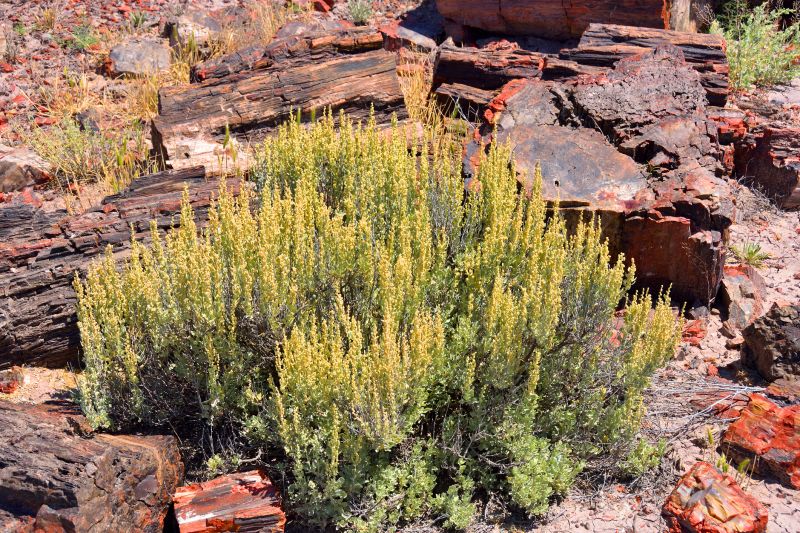
When evaluating contractors for sagebrush removal, it’s important to consider their experience with similar projects in the Denver area or nearby communities. A contractor who has handled sagebrush removal before is more likely to understand the specific challenges involved and to suggest effective solutions. Homeowners should inquire about the types of projects the service provider has completed and whether they have worked in environments similar to their own property. This background can provide confidence that the contractor is familiar with local conditions and has a track record of successfully managing sagebrush removal tasks.
Clear, written expectations are essential for ensuring that both parties understand the scope of work and the desired outcomes. When comparing local service providers, it’s helpful to review their proposals or estimates to see if they outline specific steps, materials, and responsibilities. A detailed plan can help prevent misunderstandings and ensure that the project proceeds smoothly. Homeowners are encouraged to ask for written descriptions of the work process and any warranties or guarantees offered, which can serve as a reference throughout the project.
Effective communication and reputable references are key indicators of a reliable contractor. Homeowners should seek out service providers who are responsive and willing to answer questions thoroughly. Asking for references from previous clients can provide insights into the contractor’s professionalism, reliability, and quality of work. By speaking with past customers, homeowners can gain a better understanding of what to expect and whether the local contractor’s approach aligns with their needs. It’s important to remember that this site introduces homeowners to local options, but the actual work is performed by qualified service providers, not the platform itself.
Property owners in Denver, CO use Sagebrush Removal services for practical projects around their homes and businesses. This guide focuses on everyday jobs and straightforward project options.
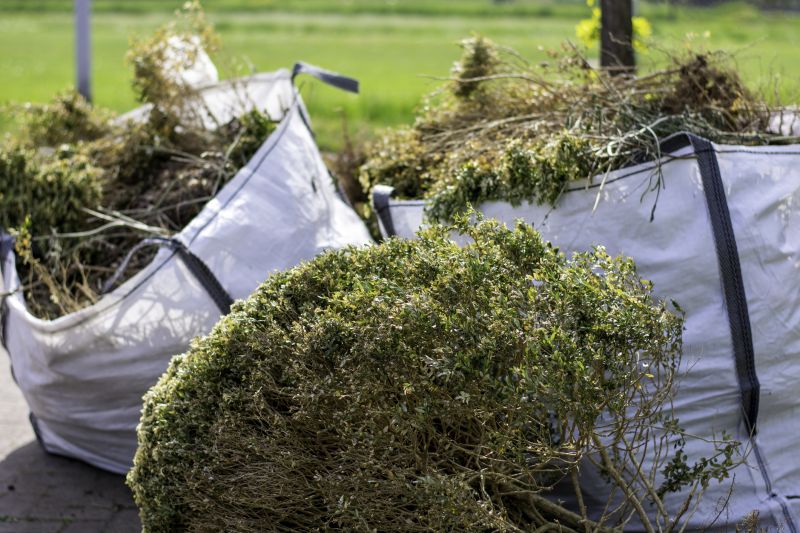
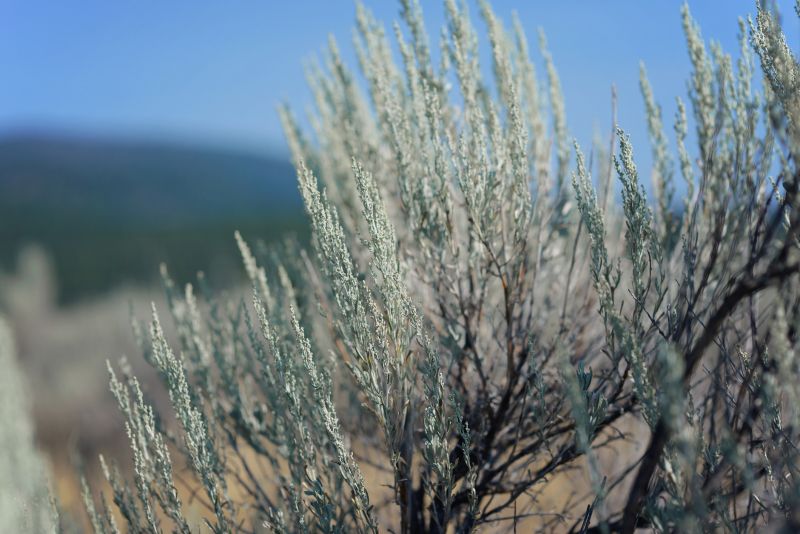
Property owners in Denver, CO may seek sagebrush removal services when overgrown or invasive plants start to take over their yards or open spaces. This is especially common in areas where natural plant growth has expanded beyond its typical boundaries, making outdoor areas less accessible or less visually appealing. Homeowners and landowners might also look for professional help to clear sagebrush before undertaking landscaping projects or to improve the health of their existing gardens and lawns.
In addition, local contractors can assist property owners dealing with sagebrush encroachment that affects safety or usability. For example, removing dense sagebrush can reduce fire hazards, improve visibility around properties, or create more functional outdoor spaces. Whether preparing land for new construction, managing wildfire risks, or simply maintaining a tidy landscape, many Denver residents turn to experienced service providers who specialize in sagebrush removal to handle these common project needs.
What are the benefits of removing sagebrush from my property? Removing sagebrush can improve land appearance, reduce fire hazards, and create more space for other plants or activities.
What methods do local contractors use for sagebrush removal? Contractors may use mechanical tools, manual removal, or prescribed burning, depending on the property and specific needs.
Is sagebrush removal suitable for all types of land? Most types of land can benefit from sagebrush removal, but it's best to consult with local service providers to determine the appropriate approach.
How can I find local contractors experienced in sagebrush removal? You can contact service providers in your area who specialize in land clearing and sagebrush management to compare options.
What should I consider before removing sagebrush from my property? Consider the land's use, local regulations, and potential impacts on the environment, and consult with local experts for guidance.
Property Clearing - Removing sagebrush can create open spaces for gardening or outdoor activities on residential properties.
Landscaping Preparation - Clearing sagebrush helps prepare land for new landscaping projects or lawn installation.
Fire Risk Reduction - Removing sagebrush reduces fire hazards around homes and along property boundaries.
Erosion Control - Clearing sagebrush can improve soil stability and prevent erosion on slopes and hillside properties.
If you are thinking about Sagebrush Removal for a property in Denver, CO, this guide is meant to help you understand the work, the typical project types, and how different options might fit your plans.
When you are ready, you can use the quote form on this page to share a few details about your project. From there, local pros can review the basics and respond with options that match what you have in mind.