Get Dead Plant Removal in Denver, CO
Dead plant removal services for Denver property owners involve safely removing dead or damaged trees, shrubs, and plants to improve landscape safety and appearance.
Removing dead plants from a property can be an important step in maintaining a healthy and attractive outdoor space. For property owners in Denver, CO, addressing dead or decaying vegetation can help prevent potential hazards, such as falling branches or pest infestations, while also improving the overall appearance of the landscape. Whether planning a garden refresh, preparing for seasonal changes, or managing overgrown areas, exploring local contractor options ensures that the work is handled efficiently and effectively.
By comparing services offered by nearby contractors, property owners can find solutions tailored to their specific needs and property conditions. Access to experienced local service providers makes it easier to evaluate different approaches and select the right team for dead plant removal projects. Continuing to read can provide valuable insights into available options and help in making informed decisions for landscape maintenance in Denver and surrounding areas.
- Dead Tree Removal - needed when a tree has become too damaged or diseased to remain safely standing in neighborhoods like Capitol Hill or Highlands Ranch.
- Stump Grinding - required after tree removal to clear the area for landscaping or new construction projects.
- Hazardous Tree Clearing - necessary when dead or dying trees threaten nearby homes, power lines, or public spaces in areas such as Aurora or Lakewood.
- Urban Tree Removal - suitable for removing dead or dying trees in tight city spaces or along busy streets in Denver neighborhoods.
- Yard Cleanup Services - helpful for clearing dead plant material and debris after storm damage or seasonal changes in residential yards across the Denver metro area.
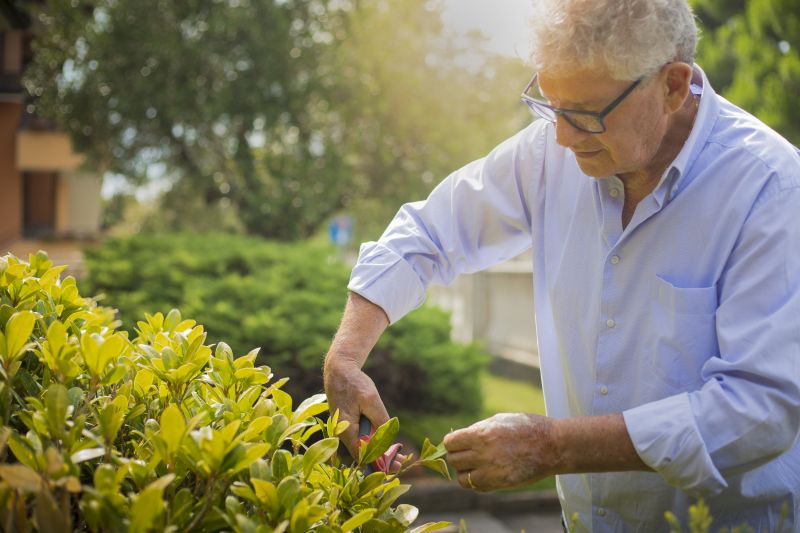
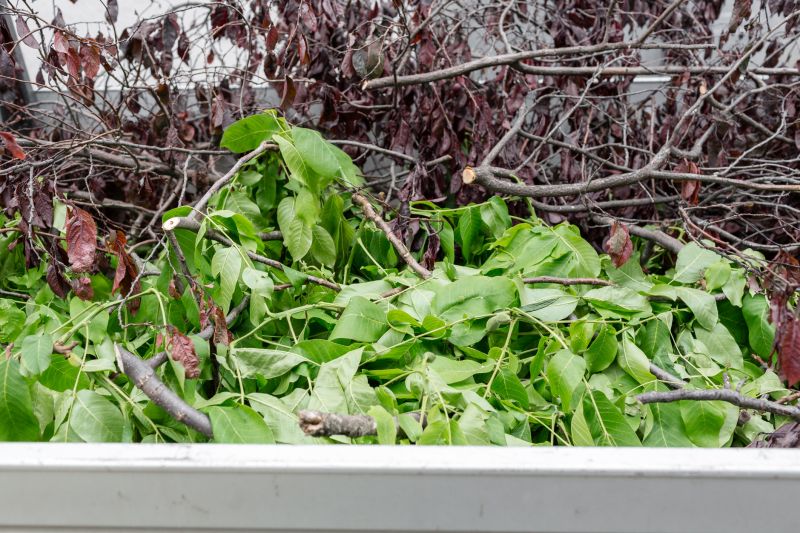
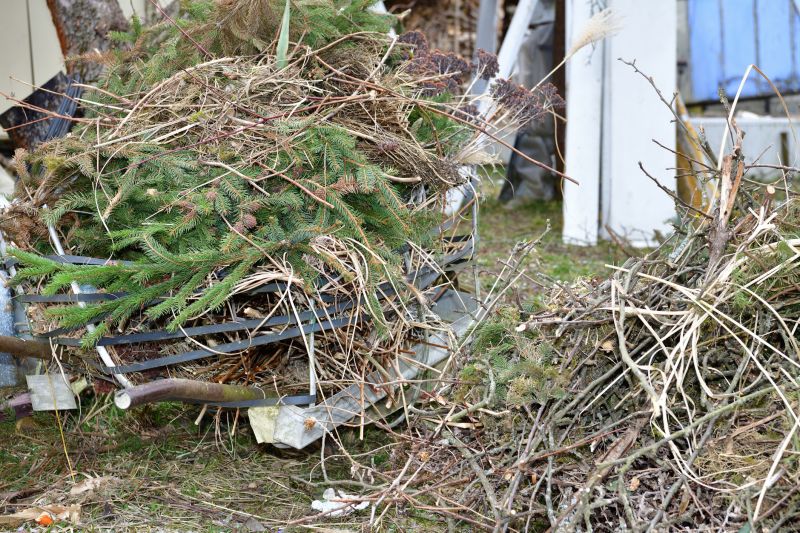
Dead plant removal services involve the careful removal of plants that are no longer alive or healthy from residential or commercial properties. This process typically includes assessing the condition of the affected plants, safely cutting away dead or decaying foliage, and properly disposing of the debris. The goal is to improve the appearance of the landscape, prevent potential hazards, and prepare the area for new plantings or landscape enhancements. These services are performed by experienced contractors who understand how to handle different types of plants and ensure the work is completed efficiently and safely.
Removing dead plants can help address several common problems on properties. Dead or decaying vegetation can detract from the overall aesthetic of a yard or garden, making it look neglected or unkempt. Additionally, dead plants may pose safety risks, such as falling branches that could cause injury or damage to nearby structures. They can also attract pests or diseases that might spread to healthy plants, compromising the health of the entire landscape. Clearing out dead vegetation creates a cleaner, safer environment and can promote healthier growth for new plants or landscaping features.
This type of service is often utilized on a variety of property types, including single-family homes, multi-unit residential complexes, and commercial properties. Homeowners may seek dead plant removal when dealing with overgrown or dying trees, shrubs, or flower beds that no longer serve their aesthetic or functional purpose. Property managers and business owners might also request these services to maintain a professional appearance and ensure safety around their premises. Dead plant removal can be particularly important in areas with mature landscaping or where ongoing maintenance is necessary to keep the outdoor space attractive and safe.
Those considering dead plant removal should look for local contractors experienced in landscape maintenance and removal work. These service providers can evaluate the specific needs of a property, recommend appropriate removal strategies, and ensure the work is completed to meet the property’s aesthetic and safety standards. Whether clearing out a single dead tree or managing an extensive landscape cleanup, connecting with local pros can help ensure the job is done correctly and efficiently, making outdoor spaces safer and more visually appealing.
The overview below groups typical Dead Plant Removal projects into broad ranges so you can see how smaller, mid-sized, and larger jobs often compare in Denver, CO.
In many markets, a large share of routine jobs stays in the lower and middle ranges, while only a smaller percentage of projects moves into the highest bands when the work is more complex or site conditions are harder than average.
Smaller Dead Plant Removals - For routine removal of individual dead or dying plants, local contractors typically charge between $250 and $600. Many smaller jobs fall within this range, especially for plants that are easily accessible and straightforward to remove.
Medium-Scale Projects - When multiple plants or larger sections need removal, costs often range from $600 to $1,500. These projects are common for homeowners upgrading their landscape or removing several dead plants at once.
Large or Complex Removals - Larger, more complex projects that involve extensive removal, safety considerations, or difficult access can reach $1,500 to $3,000 or more. Fewer projects fall into this highest tier, but they are necessary for significant landscaping overhauls.
Full Landscape Replacement - Complete removal of dead plants as part of a landscape renovation can cost $3,000 to $10,000+ depending on the size and scope. Many service providers handle these larger projects, which are less common but more involved.
Actual totals will depend on details like access to the work area, the scope of the project, and the materials selected, so use these as general starting points rather than exact figures.
Tree Trimming and Pruning - professionals often use similar tools and planning techniques to safely remove dead or hazardous branches from trees.
Stump Grinding Services - stump removal requires precise planning and equipment, paralleling the skills needed for dead plant removal.
Land Clearing Projects - clearing overgrown areas involves removing dead vegetation and managing debris, similar to dead plant removal tasks.
Garden Cleanup and Debris Removal - these services involve clearing away dead plants and organic waste, utilizing comparable tools and planning strategies.
Hedge Trimming and Shaping - shaping and trimming hedges often require careful planning and equipment similar to dead plant removal procedures.
Storm Damage Cleanup - removing fallen or damaged vegetation after storms involves similar safety considerations and equipment use as dead plant removal.
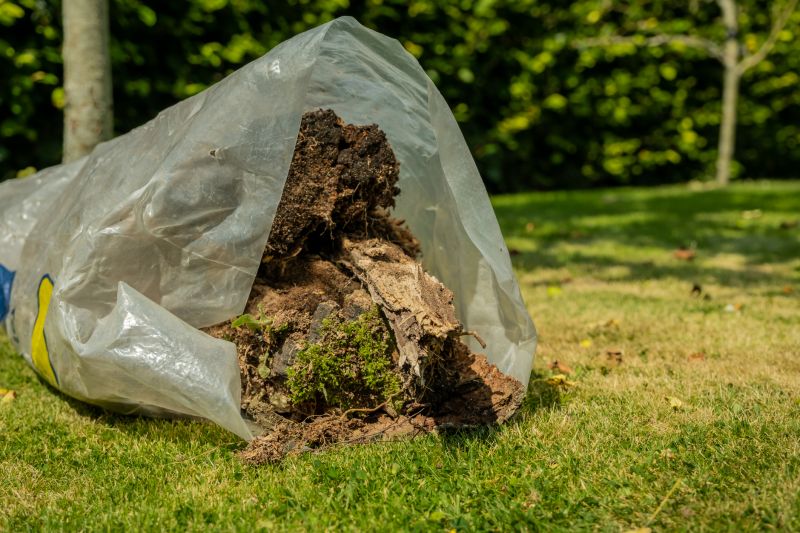
When evaluating service providers for dead plant removal, it’s important to consider their experience with similar projects. Homeowners should seek out local contractors who have a proven track record of handling dead plant removal or related landscaping tasks in the Denver area. An experienced pro will be familiar with the specific challenges that can arise in local environments and can provide insights into effective removal techniques. Asking for examples of past work or references related to dead plant removal can help gauge their familiarity with the scope and complexity of the job.
Clear, written expectations are essential to ensure that both the homeowner and the service provider are aligned on the project details. When comparing local contractors, it’s helpful to review any written estimates, project descriptions, or scope of work documents they provide. These should outline what is included in the service, such as removal methods, cleanup procedures, and disposal. Having this information in writing helps prevent misunderstandings and provides a basis for evaluating whether the contractor’s approach matches the homeowner’s needs.
Good communication and reputable references are key indicators of a reliable service provider. Homeowners should look for local pros who are responsive and willing to answer questions about their experience, methods, and previous projects. Checking references or reviews from past clients can offer insights into the contractor’s professionalism and reliability. It’s important to select a local contractor who communicates clearly, provides thorough explanations, and demonstrates transparency throughout the process, ensuring a smooth and satisfactory dead plant removal experience.
Property owners in Denver, CO use Dead Plant Removal services for practical projects around their homes and businesses. This guide focuses on everyday jobs and straightforward project options.
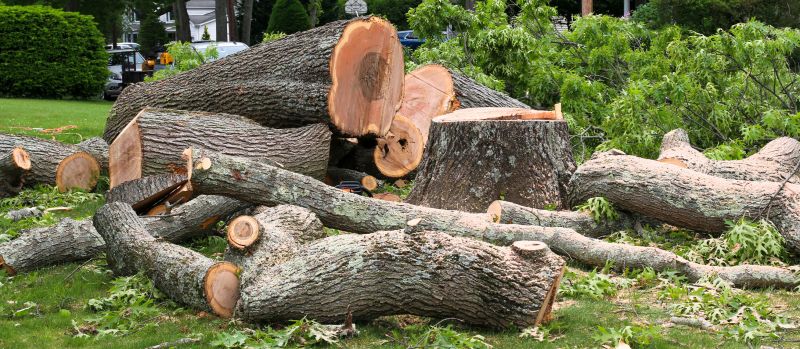
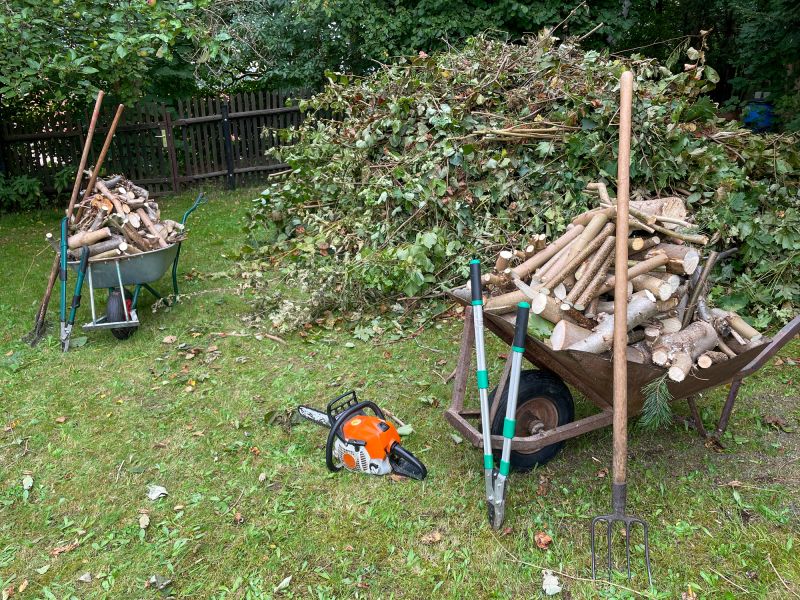
Dead plant removal services are commonly needed by property owners in Denver, CO, who are dealing with overgrown or dying vegetation that affects the appearance or safety of their outdoor spaces. Whether it's clearing out dead shrubs after a harsh winter, removing fallen branches from storm damage, or tidying up neglected garden beds, local contractors can help restore a clean and well-maintained look. These services are also useful for preparing a yard for new landscaping projects or making space for seasonal planting, ensuring that the property remains attractive and safe for residents and visitors alike.
In addition, property owners often seek dead plant removal when dealing with safety concerns or property maintenance issues. Fallen or decaying plants can pose tripping hazards or attract pests, prompting homeowners or business managers to seek professional assistance. Local service providers can efficiently handle these projects, whether it’s clearing out dead trees near walkways or removing hazardous plant debris from commercial landscapes. Connecting with experienced contractors ensures that these common property upkeep tasks are completed effectively and safely.
What types of dead plants can local contractors remove? They can handle a variety of dead or decaying plants, including trees, shrubs, and ornamental plants, ensuring proper removal and disposal.
How do professionals typically remove dead plants from properties? They use specialized tools and techniques to carefully extract dead plants, minimizing damage to surrounding landscaping.
Are there specific considerations when removing dead trees? Yes, contractors assess the tree’s size, location, and potential hazards to determine the safest and most effective removal method.
Can dead plant removal help improve the health of remaining plants? Removing dead or decaying plants can reduce disease risk and promote healthier growth for other plants in the area.
What should be considered when choosing a local contractor for dead plant removal? It’s important to review their experience, reputation, and ability to handle the specific type of plant removal needed.
Dead Plant Removal services can help property owners clear out overgrown or hazardous plants that may be blocking walkways or reducing curb appeal.
Dead Plant Removal can be useful for preparing a yard for new landscaping or garden projects by removing unwanted plant debris.
Dead Plant Removal services assist in maintaining a tidy outdoor space, especially after storms or seasonal changes have caused plant dieback.
Dead Plant Removal can support property owners in creating safer, more attractive outdoor areas by removing decayed or fallen plant matter.
If you are thinking about Dead Plant Removal for a property in Denver, CO, this guide is meant to help you understand the work, the typical project types, and how different options might fit your plans.
When you are ready, you can use the quote form on this page to share a few details about your project. From there, local pros can review the basics and respond with options that match what you have in mind.